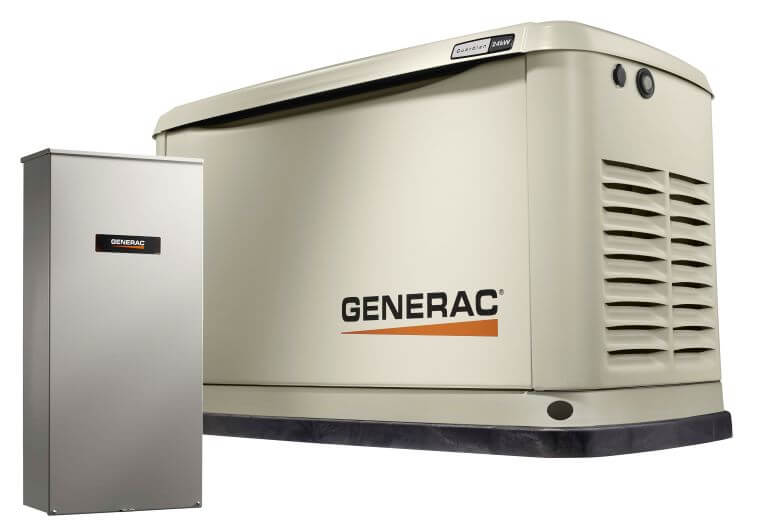
A standby generator can keep essential systems running when utility power fails, but choosing the right generator involves more than selecting a model and scheduling installation. Generator size, electrical demand, fuel supply, placement, maintenance, and future power needs can all affect how well the system performs.
Avoiding a few common generator-buying mistakes can help homeowners choose a backup power system that is better suited to their property and long-term needs. Let’s take a closer look.
Choosing a Generator Based on Price Alone
Price is understandably an important consideration, but the least expensive generator is not necessarily the most cost-effective option.
A generator needs to provide enough power for the equipment you expect to use during an outage. Choosing a smaller unit simply because it costs less could leave you unable to operate certain appliances or systems simultaneously.
Homeowners should consider total ownership costs, including installation, fuel consumption, maintenance, and potential repairs, rather than focusing exclusively on the initial equipment price.
Assuming Bigger Is Always Better
Going to the opposite extreme can also be a mistake. Purchasing the largest generator available does not automatically provide better backup power.
An oversized generator may cost more to purchase and install while providing capacity the household rarely needs. Generator sizing should instead be based on the home’s electrical load and the systems that need to remain operational.
A professional load calculation can account for everyday power consumption as well as the starting requirements of equipment such as air conditioners and pumps.
Forgetting About High-Demand Equipment
Not all household equipment uses electricity in the same way. HVAC systems, well pumps, electric water heaters, and other major appliances can create substantial electrical loads.
Homeowners who only consider lights, televisions, refrigerators, and small appliances may underestimate their actual backup power requirements.
Determining which large systems need to operate during an outage is an important part of choosing the right generator.
Ignoring Fuel Supply
Standby generators commonly operate on natural gas or propane, making fuel availability an important consideration.
The home’s existing fuel infrastructure may influence which generator is appropriate and what installation work will be necessary. Fuel consumption also becomes especially important during prolonged outages when a generator may operate for many hours or even several days.
Fuel requirements should therefore be considered during the planning stage rather than after the generator has already been selected.
Overlooking Installation Requirements
A standby generator cannot simply be placed anywhere outside the home. Installation must account for factors such as required clearances, electrical connections, fuel lines, local codes, manufacturer specifications, and access for future maintenance.
Permitting and inspection requirements may also apply. Evaluating the property before selecting equipment can help identify potential installation challenges early.
Not Planning for Future Electrical Needs
A generator may remain in service for many years, while a home’s electrical needs can change significantly during that time.
Future additions such as an EV charger, remodeled kitchen, finished basement, new HVAC equipment, or additional appliances can increase electrical demand. Discussing anticipated upgrades during the generator-sizing process can help homeowners plan accordingly.
Neglecting Generator Maintenance
Choosing and installing the generator is only the beginning. Standby generators require routine maintenance to remain ready for an unexpected outage.
Oil, filters, batteries, spark plugs, and other components may require periodic inspection or replacement. Maintenance requirements can vary based on the generator model and operating hours.
The right standby generator is one that matches the home’s electrical needs, property requirements, fuel availability, and expectations during an outage. Considering these factors before purchasing can help homeowners avoid common mistakes and build a more reliable backup power plan.
GenX Generator
When it comes to reliable power, you need a solution you can count on, no matter the conditions. GenX delivers high-performance generator systems backed by expert guidance, quality products, and dependable support every step of the way. Whether you’re planning for outages, upgrading your current setup, or exploring backup power options for your home or business, the right system makes all the difference. Trust GenX to help you stay powered, protected, and prepared for whatever comes next.