
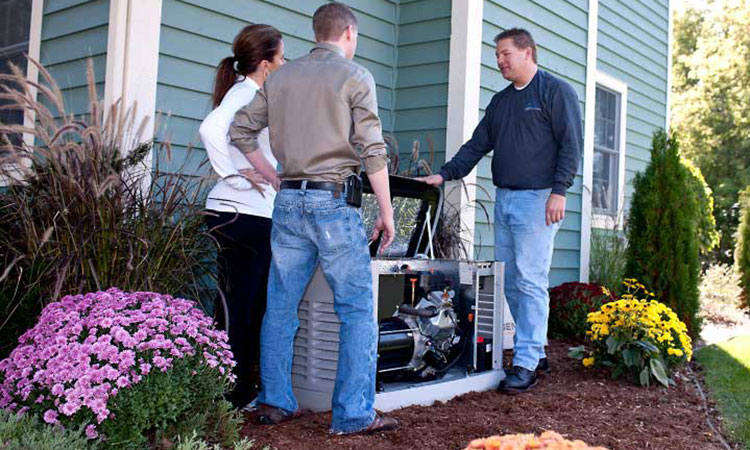
One of the most common questions homeowners ask when considering a standby generator is, “How long will the installation take?” While many people assume the process takes several weeks of construction, the actual installation is often much faster than expected. However, the total timeline includes more than just placing the generator in the yard.
From the initial consultation to the final inspection, several factors influence how long it takes to get a standby generator fully operational. Understanding the process can help homeowners set realistic expectations and plan their projects accordingly.
The Initial Consultation and Site Assessment
The first step is scheduling a professional site evaluation. During this visit, the installer examines the property, electrical service, fuel source, and backup power needs.
The contractor will determine:
- The appropriate generator size
- Generator placement location
- Electrical panel requirements
- Transfer switch needs
- Fuel supply capacity
- Local code and zoning considerations
This consultation typically takes one to two hours. Afterward, homeowners receive recommendations and a project proposal.
Depending on scheduling availability, this phase can often be completed within a few days of the initial inquiry.
Permits and Approvals
Before installation can begin, permits are usually required. Most standby generator projects involve electrical permits, and some municipalities may require building, zoning, or fuel-gas permits as well.
Permit approval timelines vary by location. Some municipalities process permits within a few business days, while others may require several weeks.
Homeowners’ associations may also require approval before installation can proceed, potentially adding additional time to the project.
For many installations, permitting becomes the longest part of the overall process.
Preparing the Installation Site
Once permits are approved, the installation team prepares the site.
This phase may include:
- Creating or placing a generator pad
- Clearing installation space
- Running electrical conduit
- Preparing fuel line connections
- Verifying utility clearances
In many cases, site preparation can be completed in a single day. More complex properties with challenging access, extensive trenching, or utility modifications may require additional time.
Generator Installation Day
The actual placement and connection of the standby generator is often surprisingly efficient.
For a standard residential installation, technicians typically:
- Position the generator
- Install the automatic transfer switch
- Connect the electrical wiring
- Connect natural gas or propane lines
- Configure system controls
- Perform startup procedures
Many residential installations are completed in one day. More complex systems, larger generators, or homes requiring electrical panel upgrades may take two or more days.
Because multiple trades are often involved, electricians and gas technicians may work together to complete the project efficiently.
Testing and System Commissioning
Once installation is complete, technicians thoroughly test the system before placing it into service.
This process typically includes:
- Simulating a power outage
- Verifying transfer switch operation
- Testing generator startup and shutdown
- Checking electrical output
- Confirming proper fuel delivery
- Reviewing safety systems
Testing ensures the generator responds correctly during an actual outage and provides reliable backup power when needed.
Commissioning and testing are often completed on the same day as installation.
Final Inspections
Most municipalities require final inspections after installation. Inspectors verify that all electrical and fuel system work complies with local codes and approved permit requirements.
Inspection scheduling depends on local availability. In some areas, inspections occur within days of installation. In others, homeowners may wait longer for final approval.
What Is the Typical Timeline?
For many homeowners, the complete process from consultation to final approval takes anywhere from two to six weeks. The actual on-site installation usually requires only one to two days, while permitting and inspection scheduling account for much of the remaining timeline.
Working with an experienced generator installation company can help streamline the process by managing permits, coordinating trades, and ensuring everything is completed efficiently. With proper planning, homeowners can enjoy dependable backup power sooner than they might expect and gain peace of mind before the next outage occurs.
GenX Generator
When it comes to reliable power, you need a solution you can count on, no matter the conditions. GenX delivers high-performance generator systems backed by expert guidance, quality products, and dependable support every step of the way. Whether you’re planning for outages, upgrading your current setup, or exploring backup power options for your home or business, the right system makes all the difference. Trust GenX to help you stay powered, protected, and prepared for whatever comes next.