
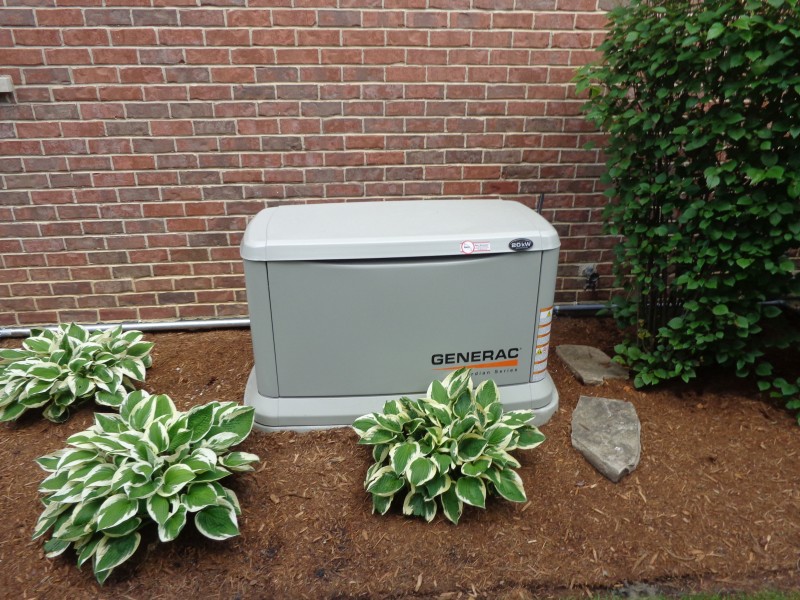
Installing a standby generator is one of the most effective ways to protect your home from unexpected power outages. Whether outages are caused by severe storms, equipment failures, or aging utility infrastructure, a permanently installed generator can provide reliable backup power when you need it most.
However, before installation begins, homeowners in Illinois should understand that generator projects typically require permits and inspections to ensure the work meets local building and safety standards. Knowing what permits may be required can help you avoid delays, fines, and potential issues with insurance or future home sales.
Why Permits Are Required
Standby generators are more complex than many homeowners realize. Installation often involves electrical work, fuel connections, concrete pads, and compliance with local zoning requirements. Because these systems affect both your home’s electrical infrastructure and fuel supply, municipalities require permits to verify that the work is performed safely and according to applicable codes.
Permits help ensure:
- Safe electrical connections
- Proper fuel line installation
- Compliance with local building codes
- Adequate setbacks from structures and property lines
- Protection of utility workers and emergency personnel
- Successful inspection and approval of the completed system
Skipping required permits can result in costly corrections and may create complications if the home is sold in the future.
Electrical Permits
In most Illinois communities, an electrical permit is required when installing a standby generator.
The generator must connect to the home’s electrical panel through an automatic transfer switch. This equipment allows the generator to safely take over when utility power is lost and prevents dangerous backfeeding into utility lines.
Electrical inspectors typically review:
- Transfer switch installation
- Wiring methods
- Grounding and bonding
- Electrical panel connections
- Circuit protection devices
- Overall code compliance
Licensed electricians are generally required to perform this portion of the installation.
Building Permits
Many municipalities also require a building permit for standby generator installation.
Because the generator is a permanent structure placed on the property, local officials may review its location and installation method before approving the project. Depending on the community, the permit review may evaluate:
- Generator placement
- Concrete pad construction
- Property setbacks
- Accessibility requirements
- Noise considerations
- Clearance from windows, doors, and air intakes
Building permit requirements can vary significantly between municipalities, making local approval an important first step.
Fuel and Mechanical Permits
Standby generators commonly operate using natural gas or propane. If new gas piping or fuel system modifications are required, an additional mechanical or fuel-gas permit may be necessary.
Inspectors may review:
- Gas pipe sizing
- Fuel pressure requirements
- Shutoff valve placement
- Leak testing procedures
- Compliance with fuel gas codes
Proper fuel system installation is critical to both safety and generator performance.
HOA and Local Zoning Requirements
Homeowners living in planned communities or neighborhoods governed by homeowners’ associations may also need approval from their HOA before installation begins.
Some associations regulate:
- Equipment placement
- Visibility from the street
- Landscaping requirements
- Noise considerations
- Screening around outdoor equipment
Local zoning ordinances may also establish minimum setback distances from neighboring properties and structures.
Final Inspection and Approval
After installation is complete, most jurisdictions require one or more inspections before the project can receive final approval.
Inspectors verify that the generator, transfer switch, electrical connections, and fuel systems were installed according to approved plans and applicable codes. Once the system passes inspection, the permit can be officially closed.
Working with a Professional Installer
Fortunately, homeowners rarely need to navigate the permitting process alone. Experienced standby generator contractors typically handle permit applications, coordinate inspections, and ensure all work complies with local regulations.
Because permit requirements can vary from one Illinois municipality to another, working with a qualified installation company helps streamline the process and provides confidence that your backup power system will be installed safely, legally, and ready to perform when the next outage occurs.
GenX Generator
When it comes to reliable power, you need a solution you can count on, no matter the conditions. GenX delivers high-performance generator systems backed by expert guidance, quality products, and dependable support every step of the way. Whether you’re planning for outages, upgrading your current setup, or exploring backup power options for your home or business, the right system makes all the difference. Trust GenX to help you stay powered, protected, and prepared for whatever comes next.