
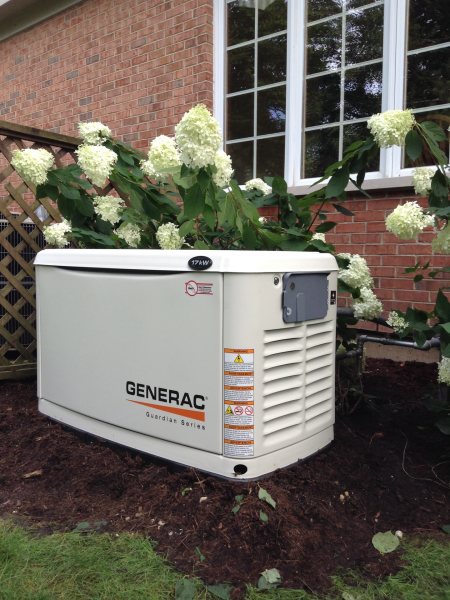
A standby generator can provide reliable backup power during outages, helping homeowners maintain comfort, safety, and normal routines when the electrical grid goes down. However, before a generator can be installed, it’s important to evaluate the condition and capacity of your home’s electrical panel. The electrical panel serves as the central distribution point for electricity throughout your home, and it plays a critical role in the safe and effective operation of a standby generator.
Understanding what your electrical panel needs before installation can help prevent delays, improve system performance, and ensure your backup power system operates as intended. Let’s take a closer look at some things everyone should know before installing a standby generator.
Why the Electrical Panel Matters
When a standby generator activates during a power outage, it supplies electricity through your home’s electrical panel. The panel distributes power to designated circuits and appliances, whether you’re backing up the entire home or only selected essential systems.
If the panel is outdated, overloaded, damaged, or incompatible with modern transfer switch equipment, upgrades may be necessary before installation can proceed.
A professional generator installer will typically inspect the electrical panel as part of the site assessment process to determine whether any modifications are required.
Sufficient Electrical Capacity
One of the first things installers evaluate is whether the panel has adequate capacity for the home’s electrical demands.
Many older homes operate with 100-amp service panels, while newer homes often use 200-amp service or larger. Depending on the size of the generator and the number of circuits being backed up, a panel upgrade may be recommended to safely accommodate the system.
Insufficient capacity can create challenges when integrating a standby generator and may limit the amount of backup power available during an outage.
Available Space for New Equipment
Standby generator installations typically require additional components, including an automatic transfer switch. This device detects utility power loss and automatically switches the home’s electrical load to generator power.
The electrical panel must have sufficient space to accommodate the necessary breakers and connections associated with the transfer switch installation. If the panel is already full, electricians may need to install a subpanel or upgrade the existing panel to create the required space.
Proper planning helps ensure a clean installation and simplifies future maintenance.
Compliance with Current Electrical Codes
Electrical codes continue to evolve as safety standards improve. Panels installed decades ago may not meet current code requirements or may contain obsolete components that are no longer recommended.
During a generator consultation, electricians often inspect for:
- Outdated panel designs
- Signs of overheating or corrosion
- Improper wiring modifications
- Damaged breakers
- Insufficient grounding or bonding
Addressing these issues before generator installation helps improve safety and ensures the entire electrical system complies with modern standards.
Compatibility with Transfer Switches
The automatic transfer switch is one of the most important components of a standby generator system. Not every electrical panel is immediately compatible with every transfer switch configuration.
Professional installers verify that the panel can properly integrate with the transfer switch and generator controls. In some cases, minor modifications are all that’s needed. In others, replacing an aging panel may provide a safer and more reliable long-term solution.
Signs Your Panel May Need Attention
Homeowners considering a standby generator should watch for warning signs that indicate electrical panel upgrades may be necessary:
- Frequently tripped breakers
- Flickering lights
- Warm breakers or panel surfaces
- Rust or corrosion inside the panel
- Limited breaker space
- Panels more than 25 to 40 years old
These issues should be addressed before adding any major electrical equipment.
GenX Generator
When it comes to reliable power, you need a solution you can count on, no matter the conditions. GenX delivers high-performance generator systems backed by expert guidance, quality products, and dependable support every step of the way. Whether you’re planning for outages, upgrading your current setup, or exploring backup power options for your home or business, the right system makes all the difference. Trust GenX to help you stay powered, protected, and prepared for whatever comes next.